Source Metric Torque Wrench for Automotive, Industrial, and DIY Use
Find 30 metric torque wrench options from suppliers in China and Taiwan. Compare specifications like stainless steel and carbon steel materials, CE and ISO certifications, and working modes to select the right tool for your mechanical needs; compare the available evidence and request quotations based on your requirements.
Key considerations
Products List


Comprehensive Sourcing Guide
Metric Torque Wrench Sourcing Guide
Sourcing metric torque wrenches requires a disciplined approach to verifying calibration accuracy and mechanical durability. Buyers must prioritize tools that deliver precise rotational force for critical assembly tasks, ensuring that fasteners are tightened to exact specifications without over-stressing components. The global market offers a wide array of options, ranging from basic click-type wrenches to advanced digital models, each serving distinct industrial needs. Understanding the specific torque range and accuracy class required for your application is the first step in selecting the right tool. This guide outlines the essential factors for evaluating suppliers, verifying technical specifications, and ensuring long-term reliability in procurement operations.
The procurement process involves balancing initial cost against lifecycle value, including calibration frequency and replacement intervals. High-quality metric torque wrenches are essential in industries such as automotive, aerospace, and heavy machinery manufacturing, where failure to adhere to torque specifications can lead to catastrophic equipment failure. Buyers should focus on suppliers who provide transparent documentation regarding calibration certificates and material composition. By establishing clear criteria for performance and compliance, organizations can mitigate risks associated with tool failure and ensure consistent quality in their assembly lines. This guide provides a structured framework for making informed purchasing decisions.
Product Scope and Observed Listing Signals
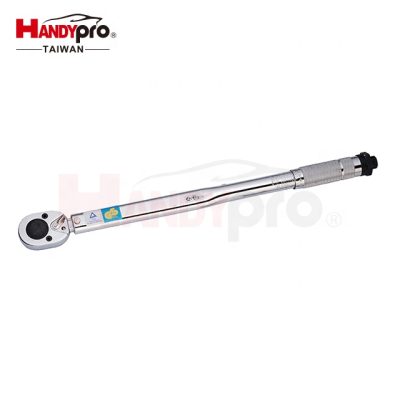
The observed market data indicates a diverse range of products, with prices spanning from $0.20 to $8,000 USD, reflecting significant variation in quality, brand, and technological sophistication. The minimum order quantity (MOQ) ranges from 1 to 2,000 units, suggesting flexibility for both individual procurement and large-scale industrial contracts. Listings frequently highlight attributes such as "Universal" car fitment and "Customization" availability, indicating that many suppliers offer tailored solutions for specific mechanical applications. The presence of brands like HANDYPRO and model numbers such as HD0044 suggests a mix of established and generic product lines, requiring buyers to carefully distinguish between premium and budget options.
Supply capabilities vary widely, with some suppliers offering up to 1,000,000 pieces per month, while others have more limited capacities of 100 pieces per month. This disparity highlights the importance of assessing supplier scalability to meet your volume requirements. Packaging details often include blow cases, heat shrink film, boxes, and wooden crates, which are crucial for protecting the precision instruments during transit. The observed "New" condition and "Stainless Steel" or "Carbon Steel" materials indicate a focus on durability and resistance to wear. Buyers should verify these attributes against their specific operational needs to ensure the selected tools can withstand the intended workload.
Technical Specifications to Verify
Verifying the technical specifications of metric torque wrenches is critical to ensuring they meet your operational requirements. Key attributes to confirm include the torque range, accuracy class, and drive size, which must align with the fasteners you intend to tighten. The observed data mentions materials such as stainless steel and carbon steel, as well as surface treatments like chrome plating, which contribute to corrosion resistance and longevity. It is essential to confirm the working mode, whether manual or digital, and the application age, which is typically listed as "Adult" for professional-grade tools. These specifications directly impact the tool's performance and suitability for your specific tasks.
Additional technical details to verify include the operating temperature range, which is observed to be between -10°C and 60°C, and the life test cycles, with some products rated for 10,000 times. The presence of certifications such as CE and ISO indicates adherence to international safety and quality standards, which should be validated for your region. Pressure ratings of 5000-10000psi are mentioned for certain components, suggesting robust construction for high-stress applications. Buyers should request detailed technical datasheets to confirm these specifications and ensure compatibility with their existing equipment and safety protocols.
Compliance and Safety Documentation
Compliance with international standards is a non-negotiable aspect of sourcing metric torque wrenches. The observed certifications, including CE and ISO, are critical indicators of a product's adherence to safety and quality regulations. Buyers must verify that these certifications are current and issued by recognized bodies, as counterfeit or expired certificates can pose significant legal and safety risks. The "Standard" attribute, which includes Metric and American Type specifications, further emphasizes the need for tools that conform to recognized measurement systems. Ensuring compliance with these standards protects your organization from liability and ensures the reliability of your assembly processes.
Safety documentation should also include detailed user manuals and calibration certificates, which are essential for maintaining tool accuracy over time. The observed "Warranty" of 12 months provides a baseline for supplier accountability, but buyers should negotiate extended warranty terms for high-volume purchases. The "Feature" attribute, listing "Ordinary" and "Anti-Explosion" options, highlights the importance of selecting tools suitable for hazardous environments. Buyers should request evidence of stress testing and quality control procedures to ensure that the tools meet the required safety thresholds for their specific industrial applications.
Cost Drivers and Commercial Terms
The cost of metric torque wrenches is influenced by several factors, including material quality, calibration accuracy, and brand reputation. The observed price range of $0.20 to $8,000 USD reflects these variations, with higher prices typically associated with digital models and premium materials. Supply ability, ranging from 100 to 1,000,000 pieces per month, also impacts pricing, as larger volumes often result in economies of scale. Buyers should consider the total cost of ownership, including calibration costs and replacement frequency, rather than focusing solely on the initial purchase price. This holistic approach ensures that the selected tools provide long-term value and reliability.
Commercial terms such as payment methods, delivery times, and ports of dispatch are critical components of the procurement process. The observed payment terms of LC/Tt and delivery times of 25 days provide a framework for negotiating contracts. Ports such as Ningbo and Shanghai are common dispatch points, which can affect shipping costs and lead times. Buyers should clarify these terms early in the sourcing process to avoid unexpected delays or additional expenses. Understanding the commercial landscape allows for more effective negotiation and ensures that the procurement process aligns with your organization's logistical and financial constraints.
Supplier Qualification and Quality Control
Supplier qualification is a vital step in ensuring the reliability of metric torque wrenches. Buyers should assess suppliers based on their production capacity, quality control processes, and track record. The observed supply ability of 100,000 to 1,000,000 pieces per month indicates that some suppliers have the infrastructure to handle large orders. However, buyers must verify that these suppliers maintain consistent quality across all batches. Requesting samples and conducting independent inspections can help identify potential issues before committing to a large purchase. This due diligence minimizes the risk of receiving substandard products that could compromise your operations.
Quality control measures should include rigorous testing for accuracy, durability, and material integrity. The observed life test of 10,000 times suggests that some suppliers perform extensive durability testing, which is a positive indicator of product reliability. Buyers should inquire about the specific testing protocols used by the supplier and request documentation of these tests. Additionally, verifying the supplier's certification status and adherence to international standards is essential. By prioritizing suppliers with robust quality control systems, buyers can ensure that the metric torque wrenches they procure meet the highest standards of performance and safety.
Long-Term Procurement Checks
Long-term procurement success depends on establishing ongoing relationships with reliable suppliers and implementing regular performance reviews. Buyers should monitor supplier performance metrics, such as delivery times, product quality, and responsiveness to issues. The observed warranty of 12 months provides a baseline for accountability, but buyers should negotiate terms that allow for easy replacement or repair of defective units. Regular calibration checks are also essential to maintain tool accuracy over time. By implementing a structured maintenance schedule, organizations can extend the lifespan of their torque wrenches and ensure consistent performance in their assembly processes.
Continuous improvement in the procurement process involves staying informed about industry trends and technological advancements. The observed customization options and OEM availability suggest that suppliers are increasingly offering tailored solutions to meet specific customer needs. Buyers should leverage these opportunities to enhance their operational efficiency and product quality. Additionally, maintaining open communication with suppliers can facilitate better collaboration and problem-solving. By adopting a proactive approach to supplier management, organizations can build resilient supply chains that support their long-term growth and success.
FAQs
What certifications do metric torque wrenches have?
These tools carry CE and ISO certifications to ensure compliance with international safety standards. The products are manufactured in China and Taiwan, meeting specific operational requirements for industrial use. Buyers can verify these credentials before placing orders for bulk procurement.
How long is the warranty period for these wrenches?
The standard warranty period provided is 12 months for new items. This coverage applies to the stainless steel and carbon steel models available in the catalog. Buyers should confirm specific terms with the supplier before finalizing the purchase agreement.
Can I request customization for metric torque wrenches?
Yes, customization is available for these tools to meet specific client requirements. The supplier offers OEM services and allows for tailored specifications. Buyers can discuss their unique needs directly with the manufacturer to ensure the final product matches their operational demands.
What is the minimum order quantity for these tools?
The minimum order quantity varies, with some listings starting at 1 piece and others requiring 1000 pieces per color. Buyers should check the specific supplier details for their chosen model. Stock availability may also influence the final order requirements.
Which materials are used to make these wrenches?
These wrenches are constructed from stainless steel, carbon steel, and aluminum alloys. The materials ensure durability and resistance to corrosion during heavy use. Different models may utilize specific combinations to meet varying pressure and temperature standards.
How is the packaging handled for these products?
Packaging options include blow cases with heat shrink film, cartons, and wooden boxes. The specific method depends on the product type and order size. Buyers can request secure packaging to prevent damage during international shipping from ports like Ningbo or Shanghai.
What is the lead time for delivery?
The typical delivery time is around 25 days for standard orders. This duration may vary based on customization needs and current stock levels. Buyers should confirm the exact timeline with the supplier to align with their project schedules.